Global oil prices dropped sharply after US President Donald Trump suggested that the ongoing conflict in the Middle East could end sooner than expected. His remarks helped calm markets that had been worried about long-term disruptions to global oil supplies.
In early trading, Brent crude futures fell $6.79, or about 6.9%, bringing the price down to $92.17 per barrel. Meanwhile, US West Texas Intermediate crude also declined by $6.55, or roughly 6.9%, reaching $88.22 per barrel. Earlier in the session, both oil benchmarks had fallen by as much as 11% before recovering slightly.
Just a day earlier, oil prices had jumped above $100 per barrel, reaching the highest level seen since mid-2022. The sharp rise came after Saudi Arabia and other oil producers reduced supplies while tensions increased during the expanding US-Israeli conflict with Iran. These developments created fears of major disruptions to global energy supplies.
Read more: Honda City Aspire offer surprises customers with free interior upgrade
However, market sentiment shifted after Russian President Vladimir Putin reportedly spoke with Trump and shared proposals aimed at reaching a quick settlement to the conflict. According to a Kremlin aide, the conversation included ideas that could help bring the war to an earlier conclusion, which helped ease supply concerns.
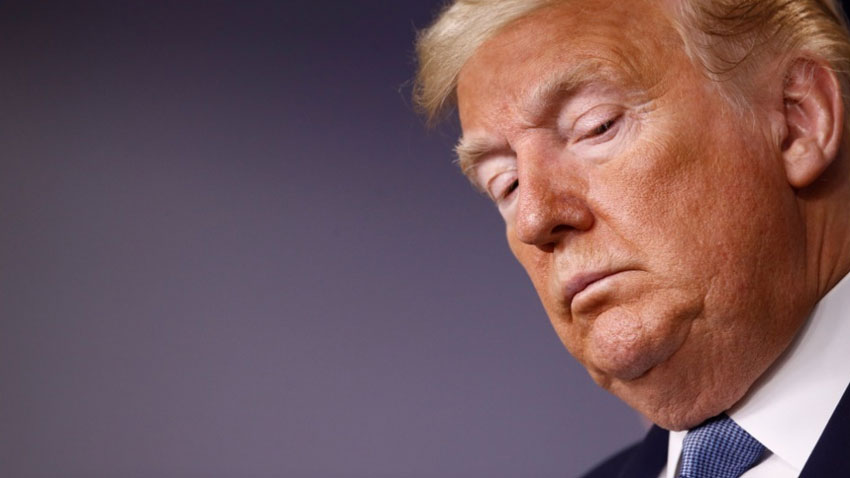
Trump also told CBS News that he believed the war against Iran was "very complete" and said Washington was "very far ahead" of the initial four-to-five-week timeline he had earlier estimated. His comments encouraged traders to believe the conflict might not last as long as previously feared.
Energy analysts said markets reacted strongly to these signals. Suvro Sarkar of DBS Bank said, "Clearly Trump's comments about a short-lived war have calmed markets. While there was an overreaction to the upside yesterday, we think there is an overreaction to the downside today."
He also pointed out that key Middle Eastern oil grades such as Murban and Dubai were still trading above $100 per barrel, suggesting that the real supply situation had not changed significantly.
Meanwhile, Iran’s Islamic Revolutionary Guards Corps responded firmly, saying they would "determine the end of the war," and warning that Tehran would not allow "one litre of oil" to leave the region if US and Israeli attacks continued.
At the same time, reports say Trump is considering several measures to control rising oil prices. These include possibly easing sanctions on Russian oil and releasing emergency crude reserves to stabilize global markets.
Analysts also noted that discussions among major economies, including the G7 countries, about using strategic oil reserves signaled that governments are prepared to act if prices surge again.
Goldman Sachs said the situation remains uncertain but kept its long-term forecasts unchanged, expecting Brent crude to average around $66 per barrel in the fourth quarter of 2026 and WTI around $62 per barrel.
Oil markets are reacting quickly to political signals. Even small hints about peace or war can move prices sharply. For now, traders seem hopeful the conflict may calm down. But risks remain because the region still controls a large share of global oil supply.