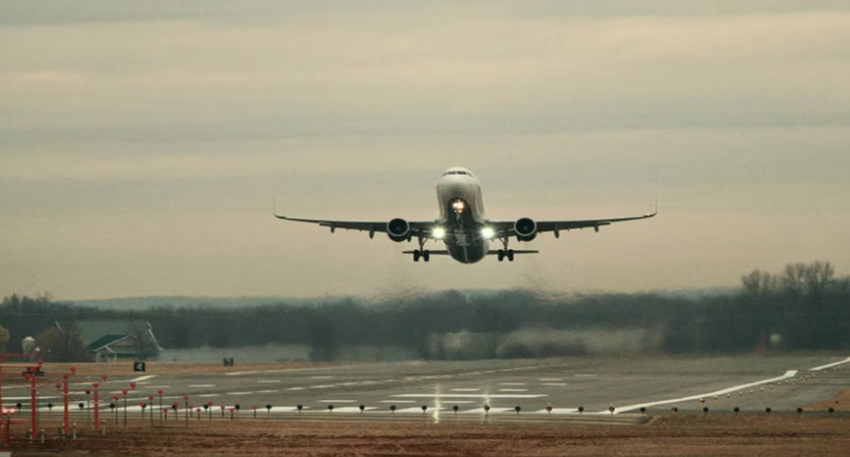
Flights from Pakistan to the Middle East continue to face major disruptions amid ongoing regional tensions, with a significant number of cancellations affecting travelers across the country.
According to airline authorities, today alone, the following flights were cancelled:
- Karachi: 26 flights to Dubai, Sharjah, and Abu Dhabi cancelled; 10 flights still expected to operate
- Lahore: 18 flights to Middle Eastern destinations cancelled
- Islamabad: 20 flights to Dubai, Abu Dhabi, and Sharjah cancelled
The cancellations mark a continuation of an ongoing trend over the past 11 days, during which approximately 1,600 flights from Pakistan to the Middle East have been called off.
Impact on Passengers
Airlines have advised affected passengers to remain in close contact for real-time updates, alternative flight arrangements, and refund options. Travelers are urged to check their booking status before heading to airports to avoid inconvenience.
The disruptions are particularly affecting routes to key Gulf destinations, including Dubai, Abu Dhabi, and Sharjah, which are critical for business travelers, expatriates, and holiday passengers from Pakistan.
Also Read: Airblue resumes Pakistan–UAE flights - Full schedule announced
Reasons Behind Flight Disruptions
Reports indicate that the ongoing Middle East tensions are creating operational challenges for airlines, affecting air traffic schedules, flight availability, and passenger services. Airline officials stress that safety and security remain the top priority while flights are being rescheduled or cancelled based on regional developments.
Advice for Travelers
Passengers planning to travel to the Middle East are advised to:
1. Regularly monitor airline notifications for schedule updates
2. Contact customer service for rebooking or alternative routes
3. Plan travel ahead of time to account for possible delays
4. Stay informed about geopolitical developments that may further impact flights
The authorities continue to coordinate with airlines and regional authorities to minimize disruption, though uncertainty remains amid the evolving situation.