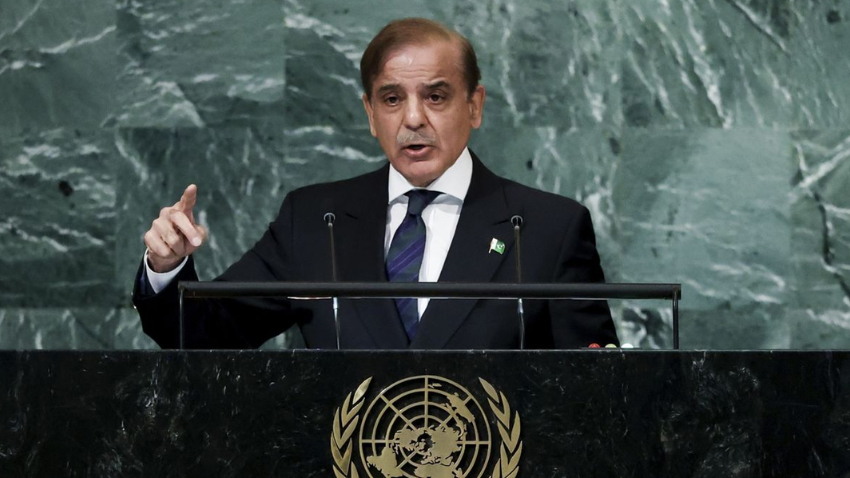
Prime Minister Shehbaz Sharif announced a series of strict energy conservation and austerity measures to reduce fuel consumption and ease pressure on rising petroleum prices. The announcement came in a pre-recorded televised address aimed at calming public concerns about a possible fuel crisis.
The government expects global oil prices to continue rising, which may increase financial pressure on Pakistan. However, the Prime Minister said he would try his best to ensure that ordinary people are not burdened with further increases in petrol and diesel prices.
The measures introduced by the government are designed to save fuel and generate funds to cover potential price increases. Any remaining financial gap will be managed through the Finance Ministry’s contingency fund worth Rs390 billion.
According to officials who attended the meeting before the address, both civil and military leadership agreed that petroleum prices should not be increased further at this stage. This decision came despite earlier plans to adjust fuel prices weekly according to global market rates.
Last Friday, the government had already raised petrol and diesel prices by Rs55 per litre, which represented around a 20 percent increase. Petrol alone went up by Rs23 per litre, slightly higher than required to cover international price adjustments, which resulted in additional revenue for the government. To reduce fuel imports and control spending, the government introduced several strict measures that will remain in place for two months.
Fuel allocated to vehicles used by government departments will be cut by 50 percent. At the same time, departmental spending will be reduced by 20 percent. During this period, about 60 percent of government vehicles will remain off the roads.
However, critics note that similar austerity plans were announced in the past but were not fully implemented. In many cases, special exemptions were granted, allowing officials to purchase vehicles or avoid restrictions. The Prime Minister also announced that federal cabinet members will not receive salaries for the next two months. In addition, the salaries of members of parliament have been reduced by 25 percent.
Must Read: CNG stations shut in two provinces during Ramazan gas crunch
Senior government officers in Grade 20 and above, as well as individuals earning more than Rs300,000 per month, will contribute two days’ salary to a public relief fund.
The government has also imposed a complete ban on purchasing new vehicles, air conditioners, and other equipment for official offices. Foreign visits by the Prime Minister, Chief Ministers, Governors, Ministers, and advisers have also been banned unless necessary.
Official dinners and Iftar parties hosted by government institutions have been prohibited as well. Seminars and meetings will now be held in government buildings instead of hotels to reduce spending. The Prime Minister also announced changes in the national work schedule to save energy.
For the next two months, both public and private offices will operate with only 50 percent of staff, except for essential services. Government offices will operate on a four-day workweek, with Friday remaining an additional holiday during this period.
Schools across the country will also observe two weeks of holidays starting next week. Universities and higher education institutions will shift to online classes during this time. The Prime Minister warned hoarders and profiteers against taking advantage of the situation and asked provincial governments to take strict action against illegal price manipulation. He stressed that Pakistan needs unity and national solidarity during this difficult economic period.