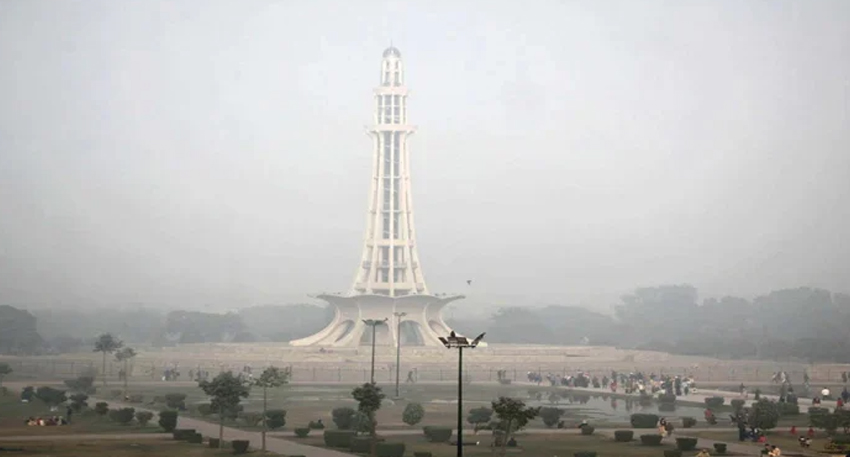
According to international air quality monitoring data, Lahore’s Air Quality Index crossed the hazardous level, with particulate matter reaching dangerously high levels. Different readings showed the city recording between 327 and 353 AQI, reflecting highly toxic air conditions. At the same time, Quetta emerged as one of the most polluted cities within Pakistan, recording extremely unhealthy particulate levels.
The pollution crisis was not limited to Lahore. Cities including Kasur, Gujranwala, Faisalabad, Sheikhupura and Rahim Yar Khan also reported unhealthy to hazardous air quality. Officials warned that children, the elderly and people with asthma or heart and lung diseases are at greater risk due to prolonged exposure to polluted air. Residents have been advised to stay indoors as much as possible and wear protective masks when going outside.
Dense fog further worsened the situation across large parts of Punjab and Khyber Pakhtunkhwa, severely reducing visibility on major highways and motorways. Several motorway sections were closed as a safety measure. The M-5 motorway was shut from Multan Shershah Interchange to Zahir Pir, while parts of the M-1 motorway between Peshawar and Burhan were also suspended due to near-zero visibility.
Also Read: Lahore tops world pollution list again with AQI 408
Officials from the Motorway Police said the closures were necessary to prevent serious accidents. Motorists were urged to use fog lights, reduce speed, and maintain safe distances. Authorities also recommended travelling only during safer daytime hours, generally between ten in the morning and six in the evening, until weather and visibility improve.
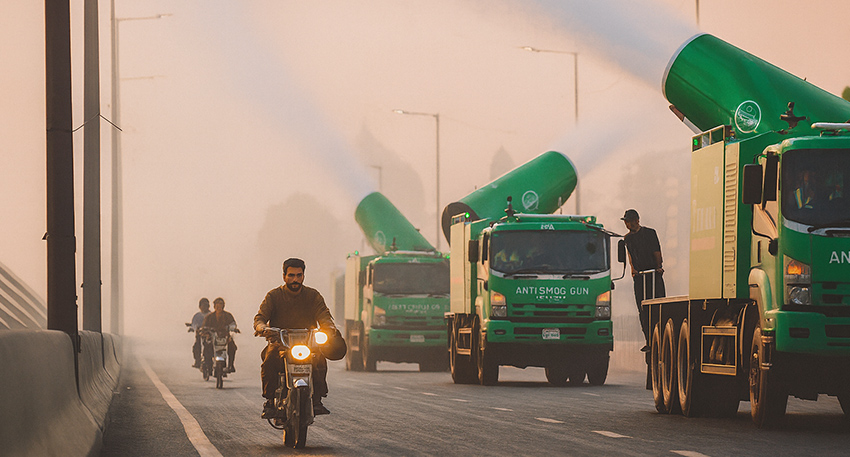
The return of winter has once again intensified Punjab’s annual smog crisis. Similar conditions in the past forced authorities to close schools, limit market hours and restrict outdoor activities. Last year, air pollution levels in Lahore rose to many times above the safety limit set by the World Health Organization, leading to widespread respiratory and eye-related illnesses.
Despite repeated efforts by authorities to control emissions from vehicles, factories and agricultural burning, the toxic mix of fog and pollutants continues to threaten public health and disrupt daily life, with no immediate relief in sight.