
Pakistan has taken a significant step toward human spaceflight as the Pakistan Space and Upper Atmosphere Research Commission (SUPARCO) successfully completes a crucial phase of its national space mission preparations. Following an intensive screening and evaluation process, two Pakistani astronaut candidates have advanced to the final stage, marking a historic moment in the country’s space journey.
According to official details, the candidate selection process under Pakistan’s Human Spaceflight Program has been completed successfully. After rigorous medical, physical, and technical assessments, two individuals were shortlisted for advanced training. This development is being described as a landmark achievement in Pakistan’s space exploration ambitions.
The Inter-Services Public Relations (ISPR) confirmed that the shortlisted candidates will now undergo two months of specialized astronaut training. The training program will include simulations in zero-gravity environments, hands-on mission operations, and practical drills to manage emergency situations during space missions. This phase is critical to assess the candidates’ readiness for real spaceflight conditions.
Also Read: NASA delays Artemis II Moon mission after fuel leaks
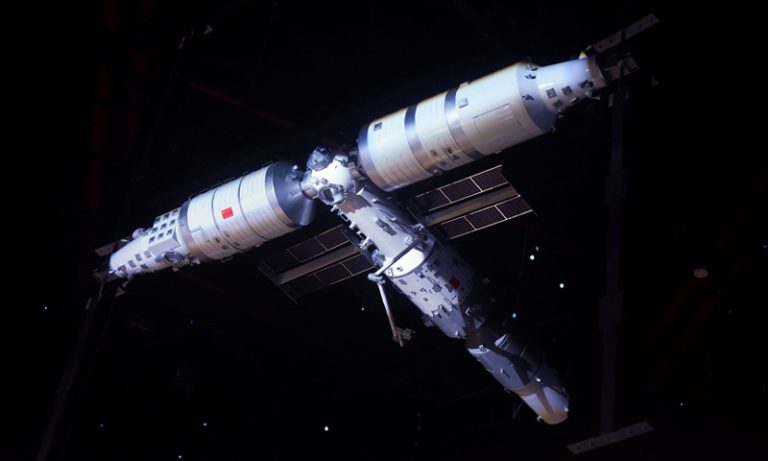
Following the completion of training, one astronaut will be selected by October or November this year to officially represent Pakistan aboard China’s space station. The mission will allow Pakistan to actively participate in advanced scientific research in orbit, significantly enhancing its presence in global space exploration.
This milestone is part of a Pakistan-China space cooperation agreement signed in February 2025, aimed at strengthening collaboration in space science, research, and advanced technology. Under the agreement, Pakistan became China’s first foreign partner in its astronaut program, reflecting growing scientific and technological ties between the two countries.
Experts believe this initiative will open new horizons for Pakistani youth, inspire future generations toward space science, and elevate Pakistan’s standing in the international space community. The mission is expected to contribute valuable scientific data while laying the foundation for Pakistan’s long-term human spaceflight ambitions.