Reports suggest that critics believe Subrahmanyam Jaishankar made these remarks to divert attention from India’s limited involvement in ongoing diplomatic talks involving the United States, Iran, and Israel. According to observers, countries like Pakistan, Turkey, and Egypt have taken more active roles in mediation efforts, while India appears less engaged in these developments.
Critics argue that the tone of Jaishankar’s remarks reflects frustration within New Delhi over its relatively smaller role in key international discussions. They say such language does not match standard diplomatic practices and could negatively impact India’s global reputation.
Read more: Trump tells associates he wants speedy end to Iran war: US media reports
The situation has also sparked a broader debate about India’s foreign policy under Prime Minister Narendra Modi. Analysts believe that relying more on strong rhetoric instead of practical diplomacy may indicate deeper strategic challenges in handling foreign relations.
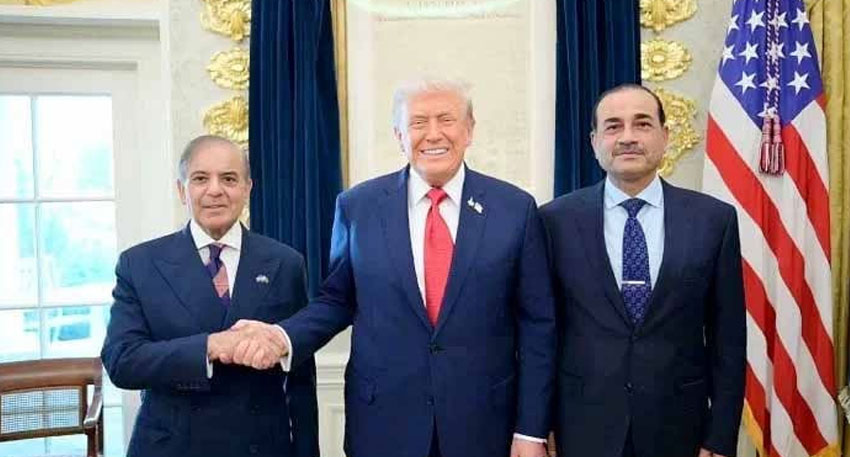
Meanwhile, commentators highlight Pakistan’s increasing diplomatic role, noting that it has been actively involved in facilitating dialogue and maintaining communication channels in sensitive regional matters.
Overall, the issue has led to discussions in political and media circles about the importance of responsible language in international affairs. Experts warn that aggressive statements can isolate countries at a time when cooperation is essential. As global tensions continue, the focus remains on whether countries will choose constructive engagement or continue with confrontational approaches.