
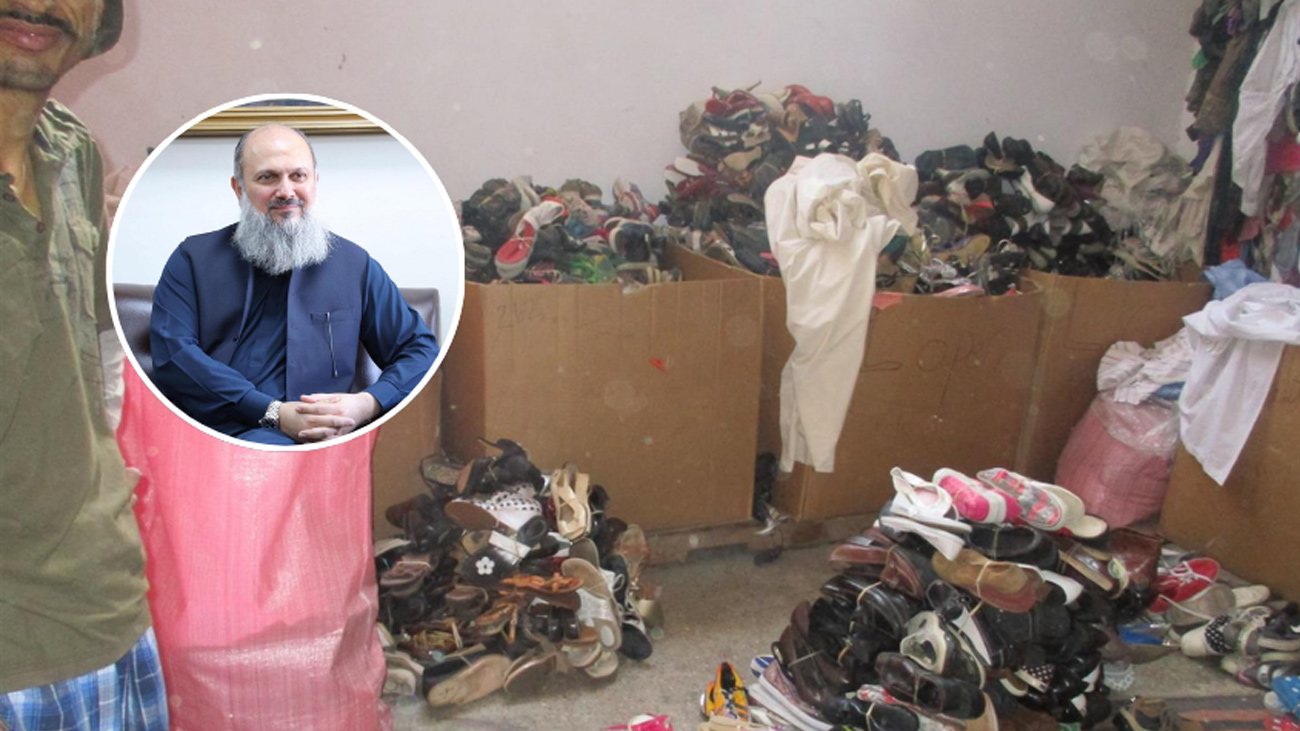
The Industry representatives told the minister that Pakistan’s footwear sector has strong potential to increase exports and support the country’s economy. They said the industry has skilled workers and large production capacity capable of meeting both local and international demand.
According to the delegation, Pakistan consumes about 550 million pairs of shoes every year, while local factories have the capacity to produce nearly 700 million pairs. This means the country could easily supply its domestic market and expand exports.
Also Read: Beef and mutton supply from Pakistan disrupted to the Gulf countries
However, they warned that a large part of this capacity is not being used because imported used footwear is dominating the local market.
Industry leaders said about 30% to 40% of the market is currently filled by imported second-hand shoes. Many of these products are branded and are declared at very low prices under the category of used clothing.
They said this creates unfair competition for local manufacturers who cannot match the extremely low prices of imported used shoes.
To solve this issue, the industry suggested introducing a separate Harmonized System (HS) code specifically for used footwear. At the moment, such imports are grouped under used clothing and accessories, making it difficult for authorities to track them properly.
Officials from the Commerce Ministry told the meeting that the proposal for a separate HS code will be discussed in the upcoming meeting of the Tariff Policy Board.
If approved, the measure could later become part of the upcoming federal budget.
Also Read: Petrol prices increased in Pakistan for next 15 days
Commerce Minister Jam Kamal Khan acknowledged the importance of the leather and footwear industry and described it as a sector with strong export potential.
He encouraged businesses to increase exports and expand Pakistan’s presence in global footwear markets while ensuring that locally produced shoes remain affordable for consumers.
Both the government and industry representatives agreed to continue working together to strengthen the sector, create jobs, increase production, and boost exports in the coming years.