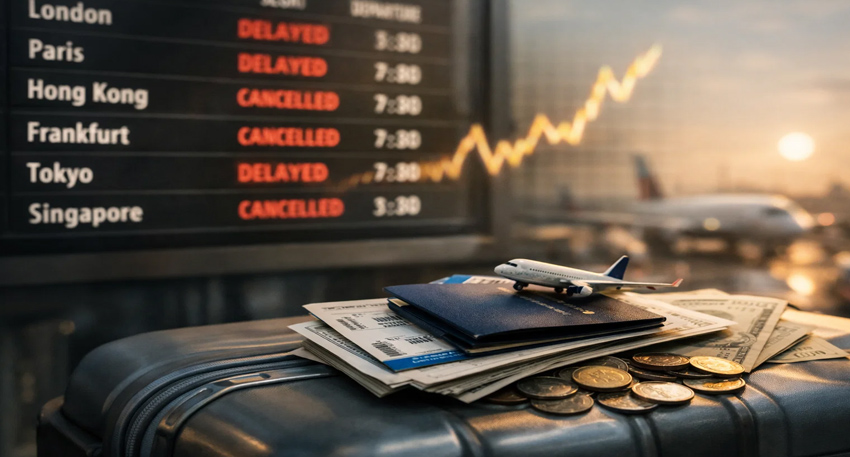
The federal government is preparing a national fuel-saving plan following recent US-Israel strikes on Iran, which have disrupted shipping through the Strait of Hormuz, a key route for one-fifth of the world’s seaborne crude oil and large volumes of LNG.
Iran’s Revolutionary Guards claimed “complete control” over the waterway, raising concerns about potential energy shortages in Pakistan.
Also Read: 708 flights from Pakistan canceled amid Iran–Israel conflict
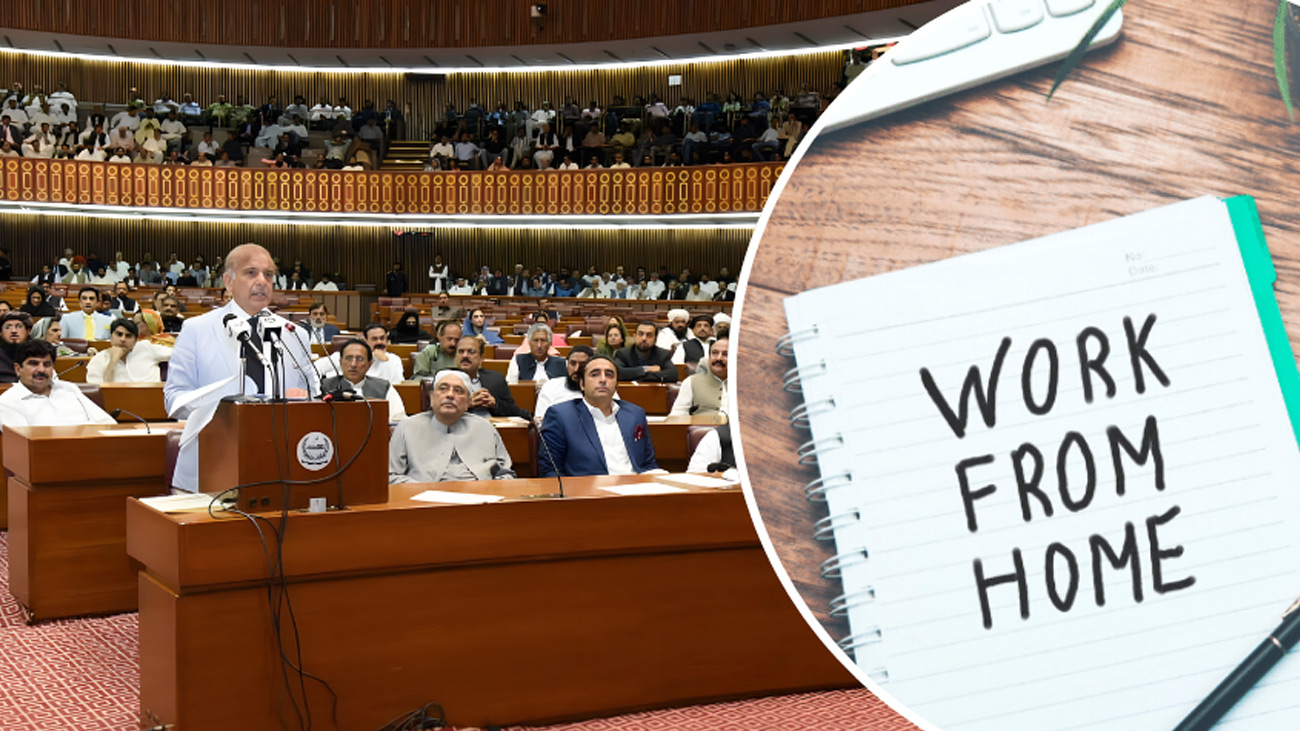
Sources said the government is exploring remote working for offices and online classes for schools in March 2026, similar to arrangements during the Covid-19 pandemic. Essential staff may be required in offices, while minimum staffing rules could apply across workplaces.
Corporate offices and IT companies may be encouraged to adopt work-from-home two days a week. Ride-sharing and other fuel-saving measures are also being discussed to reduce daily fuel consumption.
Also Read: Senate passes NAB Amendment Bill 2026 amid opposition criticism
Finance Minister Muhammad Aurangzeb informed the Senate that Pakistan has around 28 days of petrol and diesel, 10 days of crude oil, and 15 days of LPG supplies. The government is exploring petroleum conservation strategies and a weekly fuel pricing model to prevent hoarding by dealers.
Weekly price adjustments would help stop retailers from stockpiling fuel during expected price hikes, ensuring more stable supplies for consumers.