
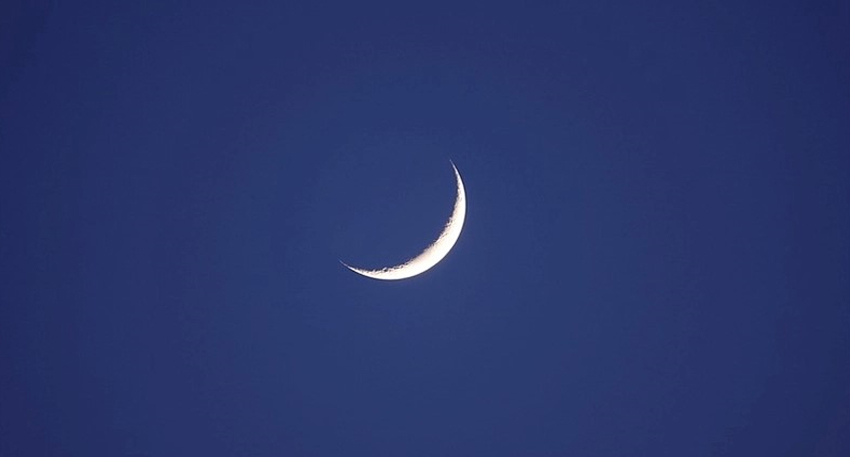
The National Disaster Management Authority (NDMA) has issued a weather alert ahead of Eid ul Fitr 2026, warning that widespread rain, thunderstorms, and snowfall could impact moon sighting across Pakistan.
According to the advisory, cloudy conditions and precipitation are expected in Punjab, Khyber Pakhtunkhwa, Balochistan, Gilgit-Baltistan, and Azad Jammu & Kashmir over the next 12 to 24 hours—raising concerns about reduced visibility for the Eid ul Fitr 2026 moon.
Northern regions including Astore, Skardu, Hunza, and Neelum Valley may experience snowfall along with rain, while Quetta, Zhob, Ziarat, Qila Saifullah, and Gwadar are likely to witness rain and hailstorms.
Also Read: Eidul Fitr 2026 date revealed – Latest moon sighting updates
Major cities such as Lahore, Rawalpindi, Faisalabad, and Multan are also expected to receive rainfall, which could lead to cloudy skies during the crucial moon sighting period.
Experts suggest that dense cloud cover, rain, and atmospheric disturbances may make it difficult to sight the Eid ul Fitr 2026 moon in several parts of the country, though final confirmation will depend on official announcements.
The NDMA has further warned of urban flooding in low-lying areas, traffic disruptions, and increased risks of landslides and avalanches in hilly regions from March 18 to March 21.
Authorities have advised citizens to avoid unnecessary travel, especially in mountainous areas, and to stay updated with official weather, Shawwal moon sighting and Eid ul Fitr 2026 announcements.