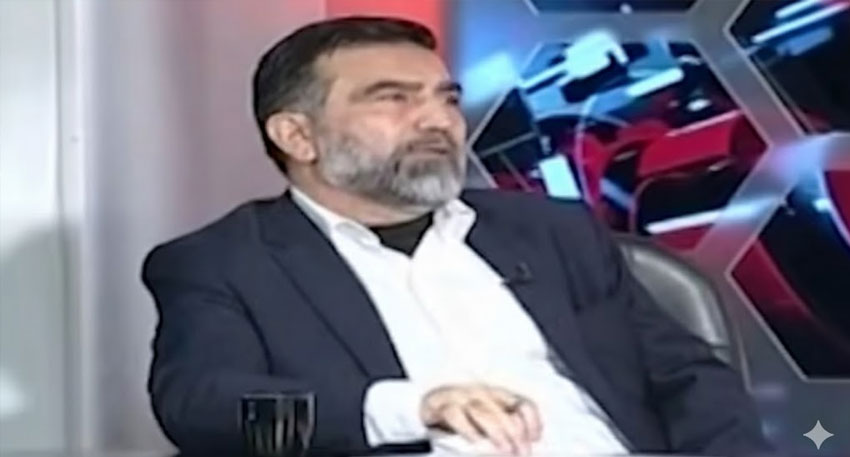
Former Additional Secretary of Indian Illegally Occupied Jammu and Kashmir, Khawaja Farooq Kirmani, has said that India’s decision to revoke Article 370 was not sudden. According to him, it was a planned and systematic move to remove Kashmir’s special constitutional identity and fully merge the region into India’s federal system.
In an interview with a private television channel, Kirmani stated that the unilateral and illegal step was part of a wider strategy. He claimed that over the years, administrative and political powers were gradually shifted to New Delhi, reducing local authority in the region.
Kirmani also questioned the authenticity of the Instrument of Accession. He said that unlike other princely states’ documents, it did not carry an official state seal and lacked clear legal requirements. He pointed out that it only had signatures, including that of Lord Mountbatten, with what he described as a contested predated handwritten date.
Sharing his personal experience, Kirmani said he left the Indian Civil Service after serving in the Power Development Department. He alleged that agencies heavily controlled the department and that Kashmiris were made to carry out tasks that harmed their own people.
He further claimed that even before Article 370 was revoked, its powers had already become meaningless. Key posts such as Deputy Commissioners and Superintendents of Police were allegedly filled by non-locals, placing control in outside hands.
Read more: Tarique Rahman sworn in as Bangladesh’s PM after BNP election win
Comparing the situation with Azad Jammu and Kashmir, he said that AJK has local deputy commissioners, an elected President and Prime Minister, and an independent Supreme Court. In contrast, he claimed that in IIOJK, the Supreme Court was reduced to a High Court, and elected positions were replaced by centrally appointed officials.
Kirmani alleged that changes in residency laws and appointments were aimed at altering the region’s demographic balance. He said these steps could affect any future plebiscite.
He also linked the situation in Kashmir to the broader condition of Muslims in India, claiming that regional political strength influences policies.
His remarks reflect deep political concerns. The issue remains sensitive and highly debated. The future of Kashmir continues to shape regional tensions.